
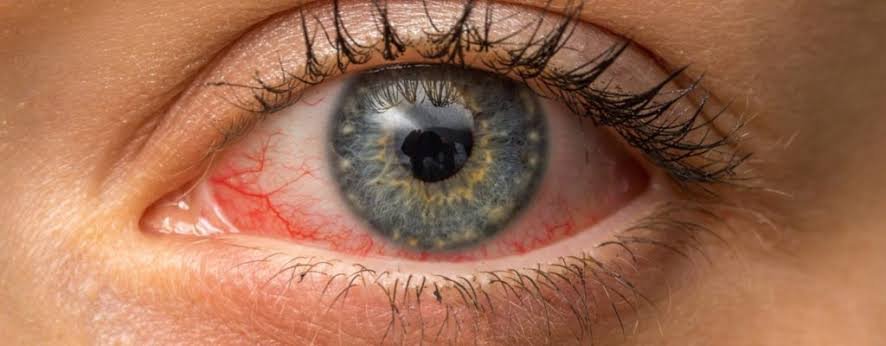
Conjunctivitis, also known as pinkeye, is an inflammation of the conjunctiva. The conjunctiva is the thin clear tissue that lies over the white part of the eye and lines the inside of the eyelid.
Children get it a lot. It can be highly contagious (it spreads rapidly in schools and day-care centers), but it’s rarely serious. It’s very unlikely to damage your vision, especially if you find it and treat it quickly. When you take care to prevent its spread and do all the things your doctor recommends, pinkeye clears up with no long-term problems.

Pink eye symptoms
Different types of pink eye can come with slightly different symptoms, but in general, it’s important to talk with a doctor if you start to experience:
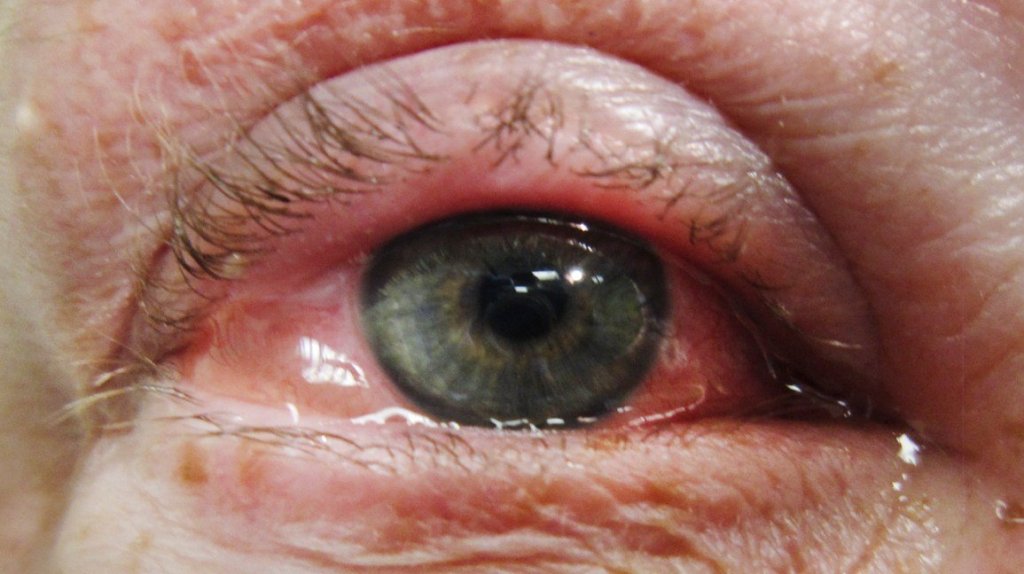
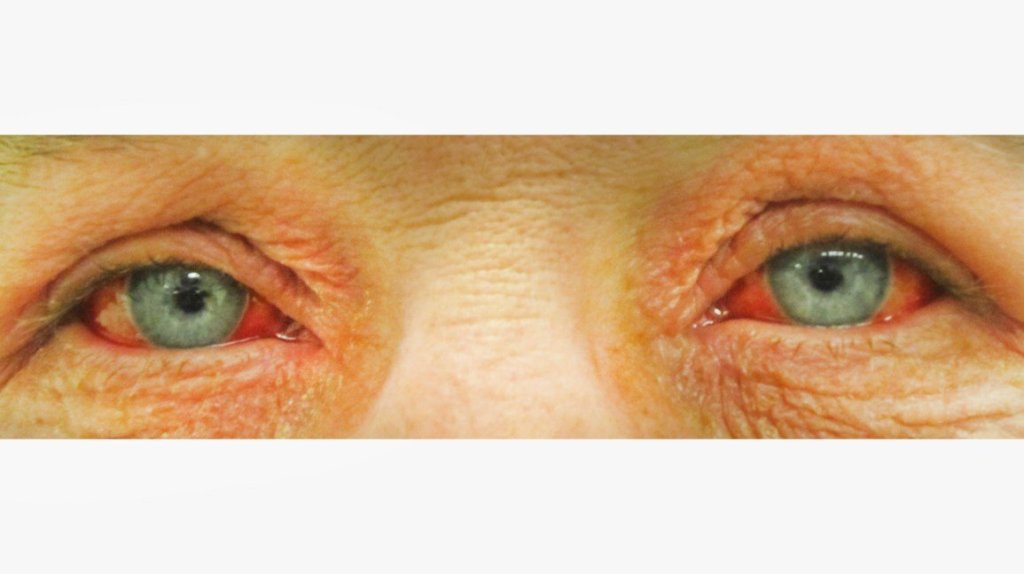
•pink or red-toned eyes
•a gritty feeling in your eyes
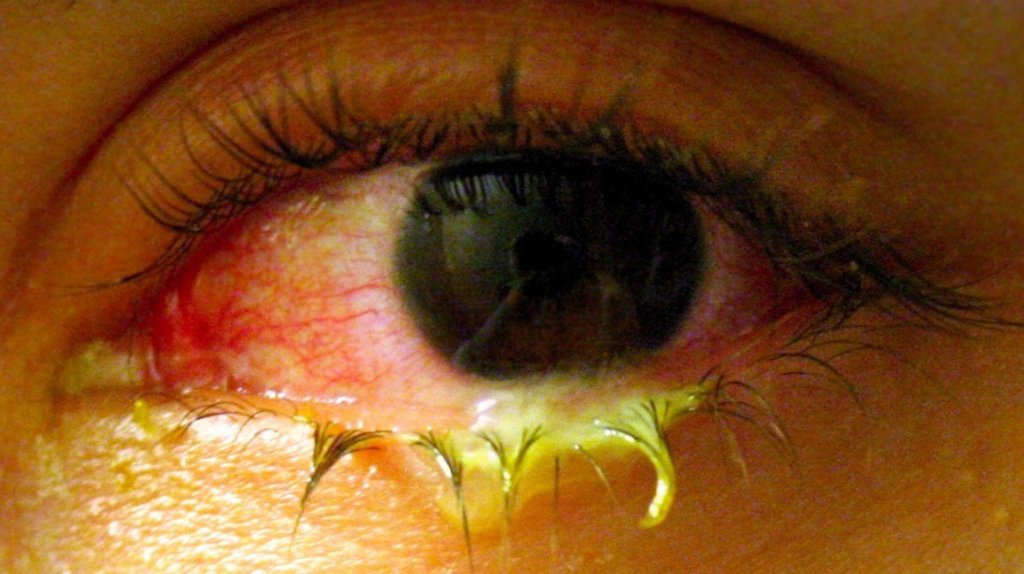
•watery or thick discharge that builds up on your eyes at night
•itchiness in your eyes
•abnormal amount of tears
Types and causes
In general, there are three main categories of pink eye:
•infectious
•allergic
•chemical
Infectious conjunctivitis
Infectious pink eye comes in a few different types, including:
•bacterial
•viral
Bacterial pink eye is caused by staphylococcal or streptococcal bacteria. It typically occurs due to things like touching your eyes with unclean hands, sharing makeup, or having physical contact with someone who may also have conjunctivitis.
Viral pink eye is usually caused by common cold viruses. It can occur if someone with an upper respiratory infection coughs or sneezes close to you. It can also occur when you have a cold virus yourself and blow your nose too hard. This can push the infection from your respiratory system to your eyes.
Allergic conjunctivitis
Most people with allergic pink eye have seasonal allergies. They can get pink eye if they come in contact with a substance they’re allergic to, like pollen.
It’s also possible to develop an allergic type of pink eye called giant papillary conjunctivitis if you wear hard contact lenses, or soft contact lenses that aren’t replaced frequently enough.
Chemical conjunctivitis
You can get pink eye from irritants such as:
•chlorine in pools
•air pollution
•exposure to other chemicals

How contagious is pink eye?
Bacterial and viral pink eye are very contagiousTrusted Source.
Pink eye is very easily spread from person to person. For instance, if someone with viral pink eye touches their eye and then touches your hand, and you touch your eyes, there’s a chance you could get pink eye as well.
Pink eye is typically contagious for as long as the person is having symptoms.
Homeopathic treatment


Euphrasia . For conjunctivitis with watery tears that burn the face and may become a thick discharge. Despite the production of watery tears, the individual may complain of a dry, gritty sensation in the eyes.
Argentum nitricum . For red, swollen eyes with pus-like discharge and splintering pains.
Pulsatilla . For conjunctivitis with yellow green discharge and itchy eyes that may accompany or immediately follow a cold. The eyelids tend to stick together, and symptoms generally improve with cold compresses. This remedy is most appropriate for individuals who tend to be irritable and have mood swings.
Belladonna . For the first stages of conjunctivitis, including the sudden onset of burning, bloodshot eyes, swollen eyelids, and hypersensitivity to light. The eyes are generally hot and throbbing to the touch.
Sulphur . For burning, pain, and redness of the eyes accompanied by a yellow discharge with foul odor. The eyes are often crusted together, and the individual is usually very hot and thirsty.
Apis mellifica . For red, burning, swollen eyes that feel better with cold applications.
 Dr.Sandhya Jaiswal
Leave a comment