
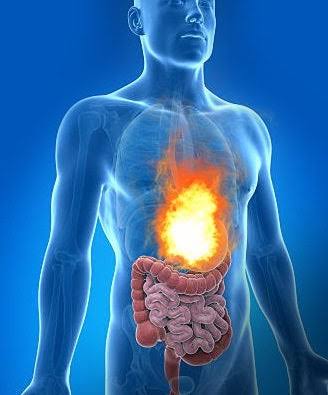
Uric acid is a waste product that can damage joints and tissue if it builds up too much in the body. When a person has high uric acid levels for an extended period, they may develop health problems.
If a person has gout, it is important for them to keep uric acid levels within a healthy range. Doing this can improve the symptoms and reduce the risk of a gout flare.
Uric acid levels in males and females
Having some uric acid in the blood is normal. However, if uric acid levels go above or below a healthy range, this can result in health problems. High uric acid levels can increase the risk of gout.
It is unusual to have low uric acid levels, but it is possible if a person passes too much uric acid out of their body as waste.
High Uric Acid Level
High uric acid levels in the body can cause crystals of uric acid to form, leading to gout. Some food and drinks that are high in purines can increas!e the level of uric acid.
What is high uric acid level?
Uric acid is a waste product found in blood. It’s created when the body breaks down chemicals called purines. Most uric acid dissolves in the blood, passes through the kidneys and leaves the body in urine. Food and drinks high in purines also increase the level of uric acid. These include:
•Organ meats like liver
•Seafood (especially salmon, shrimp, lobster and sardines)
•Red meat
•Food and drinks with high fructose corn syrup, and alcohol (especially beer, including non-alcoholic beer)
If too much uric acid stays in the body, a condition called hyperuricemia will occur. Hyperuricemia can cause crystals of uric acid (or urate) to form. These crystals can settle in the joints and cause gout, a form of arthritis that can be very painful. They can also settle in the kidneys and form kidney stones.
If untreated, high uric acid levels may eventually lead to permanent bone, joint and tissue damage, kidney disease and heart disease. Research has also shown a link between high uric acid levels and type 2 diabetes, high blood pressure, and fatty liver disease.
The following table gives low, normal, and high levels of uric acid in the blood. All amounts are in milligrams per deciliter (mg/dl).
Uric acid level Males. Females
Low below 2.5 mg/dl below 1.5 mg/dl
Normal 2.5–7.0 mg/dl 1.5–6.0 mg/dl
High above 7.0 mg/dl above 6.0 mg/dl
Normal values range between 3.5 to 7.2 milligrams per deciliter (mg/dL). Normal value ranges may vary slightly among different laboratories.
Causes
Most of the time, a high uric acid level occurs when your kidneys don’t eliminate uric acid efficiently. Things that may cause this slow-down in the removal of uric acid include rich foods, being overweight, having diabetes, taking certain diuretics (sometimes called water pills) and drinking too much alcohol. Other less common causes are a diet high in purine-containing items or your body producing too much uric acid.
Factors that may cause a high uric acid level in your blood include:
•Diuretics (water retention relievers)
•Drinking too much alcohol
•Genetics (inherited tendencies)
•Hypothyroidism (underactive thyroid)
•Immune-suppressing drugs
•Niacin, or vitamin B-3
•Obesity
Low Uric Acid
•Diuretics (water retention relievers)
Low uric acid levels are less common than high ones. A person with low uric acid levels may urinate more than usual, which can cause dehydration if they are not drinking enough water.
How uric acid can build up in the body
Purines are chemical substances that occur naturally in the body and in some foods. When the body breaks down purines, this creates uric acid as a waste product. The kidneys filter it from the blood and pass it out of the body in the urine.
However, uric acid can sometimes build up in the blood. The medical term for this is hyperuricemia. It can occur if the body produces too much uric acid or does not get rid of enough of it.
Too much uric acid in the blood can lead to crystals forming in the joints and tissues, which may cause inflammation and gout Symptoms
Related medical conditions
Some medical conditions and treatments are also associated with high uric acid levels, particularly gout, cancer treatment, and kidney disease.

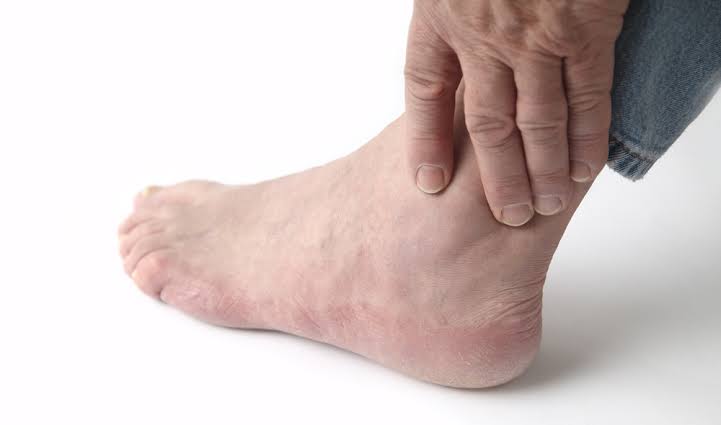
Gout
•Gout:Gout is a form of arthritisTrusted Source. The symptoms come and go, usually affecting just one joint.
In people with this condition, uric acid builds up in the joints and tissues, causing pain, swelling, and discoloration. Gout most commonly affects the toe joints, ankles, and knees.
Cancer treatment:When cells die, they release purines. These release uric acid into the blood when the body breaks them down.
Some cancer treatments, such as chemotherapy, can cause cells in the body to die. Uric acid testing may be part of medical care for a person who has cancer.
Kidney disease:The kidneys filter waste from the blood, including uric acid.
Kidney disease damages the kidneysTrusted Source and stops them from working normally. When this happens, waste products that include uric acid can build up in the blood.
Fanconi syndrome:Having low uric acid levels is rare.
The most prevalent medical condition causing low uric acid levels is Fanconi syndrome, a rare kidney disease. In people with this condition, the kidneys cannot absorb certain nutrients into the body.
Fanconi syndrome can cause a lack of energy, dehydration, and problems with the bones. A person with this condition will have low uric acid levels because too much of this substance is passing out of the body in the urine.

Diet
Diet
Avoid Rich Purine Food
When purines get digested, uric acid produces. If you avoid purine-rich diet, the uric acid level lower down itself. And if not, it may lead you to gout. Here is a list of purine-rich food that has to be avoided;
•Organ meat (brain, liver, kidneys) Cauliflower
•Dairy products Green peas
•Sugary foods and beverages Mushrooms
•Dried beans Meat (mutton, veal)
Add low-Purine Food
Stick to the foods that are low in purine. Dietary changes will not completely get rid of high uric acid but it may affect positively. Some of the low-purine foods are;
•Whole grain rice Carrot
•Potatoes Tomatoes
•Bread Egg white
•Nuts Coffee and tea
Homeopathic Treatment for high Uric Acid:
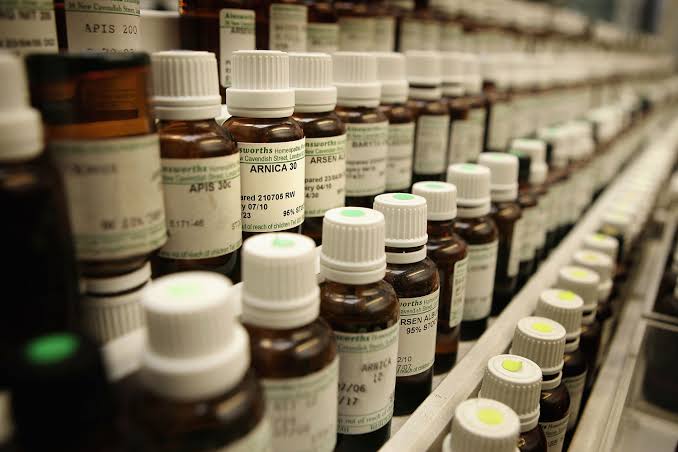
Pareira brava
This homeo medicine is derived from a plant, virgin vine. The root of this plant is used for the preparation of this medicine. This medicine helps to lower the high uric acid. When the patient suffers from scanty and burn feeling while urinating, this medicine is effective in this condition. The use of pareira brava improves the urinary condition and reduces inflammation due to the high level of uric acid.
Urtica urens (small nettle)
This homeopathic medicine is prepared by using a herb named, Nettle, which is also known as Stinging nettle. Those medicines which are prepared from nettles are usually effective to excrete the accumulated uric acid. That’s why it is an excellent homeo medicine for the ailments caused by uric acid. Some of the diseases are gout, joint pain and uric acid diathesis. It also helps to evacuate kidney stones, and reduces inflammation.
Benzoicum acidum
The homeo medicine Benzoicum Acidum is prepared from an organic acid called Benzoic acid. This acid can be derived from the gum plant named Calophyllum Inophyllum which is a common medicinal tree to treat different diseases. Benzoicum Acidum is very effective to cure high uric acid. The patient with high uric acid urinate with a foul smell, this homeo remedy treats well in this condition. Due to high uric acid, there could be chances of renal dysfunctionality, and causes renal pain, this homeo remedy provides a soothing effect to the patient.
Berberis vulgaris
The common name of Berberis Vulgaris is Barberry. It is traditional medicine used to treat different ailments including high uric acid. It is an excellent homeo medicine to treat high uric acid with gout signs where stones found in kidneys. Berberis Vulgaris is also known as anti-uric acid homeo medicine which helps to break down kidney stones.. Homeopaths recommend this medicine when the patient is suffering from joint aches with swelling as well as tenderness due to high level of uric acid. It is effectual to lower the level of uric acid.
Ocimum canum (hoary basil)
Its other name is “Hoary Basil” or “American Basil”. Ocimum Canum is derived from flowers of lavender which can be used for synthesizing medicines. It stops the formation of uric acid crystals in the kidney due to high uric acid. When kidneys are not functioning properly and cannot remove uric acid efficiently, the level of uric acid rise, in these circumstances, homeopaths prefer to recommend Ocimum Canum.
 Dr.Sandhya Jaiswal
Leave a comment