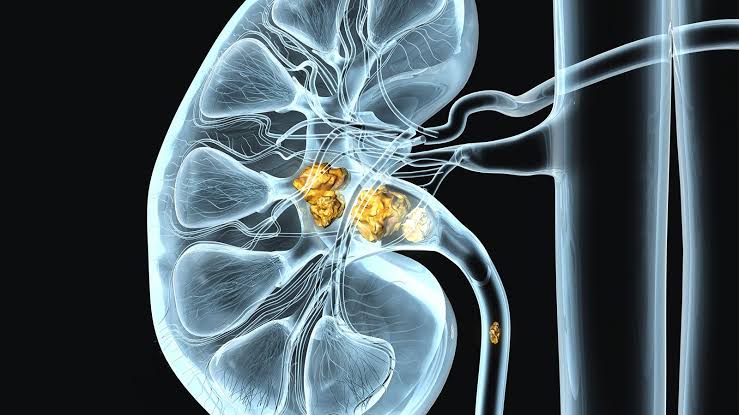
Kidney stones (also called renal calculi, nephrolithiasis or urolithiasis) are hard deposits made of minerals and salts that form inside your kidneys.
Diet, excess body weight, some medical conditions, and certain supplements and medications are among the many causes of kidney stones. Kidney stones can affect any part of your urinary tract — from your kidneys to your bladder. Often, stones form when the urine becomes concentrated, allowing minerals to crystallize and stick together.
Passing kidney stones can be quite painful, but the stones usually cause no permanent damage if they’re recognized in a timely fashion. Depending on your situation, you may need nothing more than to take pain medication and drink lots of water to pass a kidney stone. In other instances — for example, if stones become lodged in the urinary tract, are associated with a urinary infection or cause complications — surgery may be needed.
Your doctor may recommend preventive treatment to reduce your risk of recurrent kidney stones if you’re at increased risk of developing them again.
Symptoms
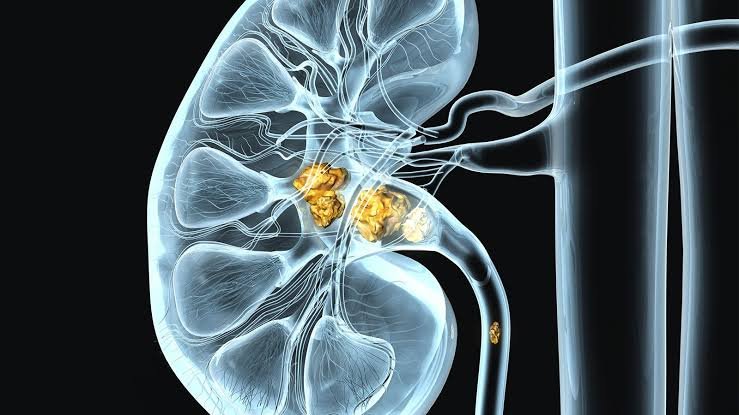
Illustration showing kidney stones
Kidney stonesOpen pop-up dialog box
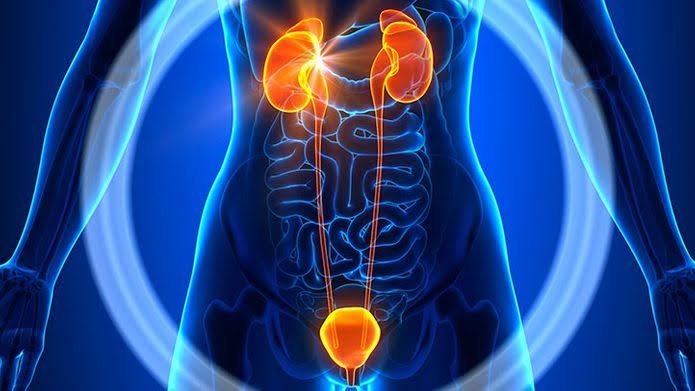
A kidney stone usually will not cause symptoms until it moves around within the kidney or passes into one of the ureters. The ureters are the tubes that connect the kidneys and bladder.
If a kidney stone becomes lodged in the ureters, it may block the flow of urine and cause the kidney to swell and the ureter to spasm, which can be very painful. At that point, you may experience these symptoms:
•Severe, sharp pain in the side and back, below the ribs
•Pain that radiates to the lower abdomen and groin
•Pain that comes in waves and fluctuates in intensity
•Pain or burning sensation while urinating
Other signs and symptoms may include:
•Pink, red or brown urine
•Cloudy or foul-smelling urine
•A persistent need to urinate, urinating more often than usual or urinating in small amounts
•Nausea and vomiting
•Fever and chills if an infection is present
•Pain caused by a kidney stone may change — for instance, shifting to a different location or increasing in intensity — as the stone moves through your urinary tract.
Causes
Possible causes include drinking too little water, exercise (too much or too little), obesity, weight loss surgery, or eating food with too much salt or sugar. Infections and family history might be important in some people. Eating too much fructose correlates with increasing risk of developing a kidney stone. Fructose can be found in table sugar and high fructose corn syrup.
Types
There are four main types of stones:
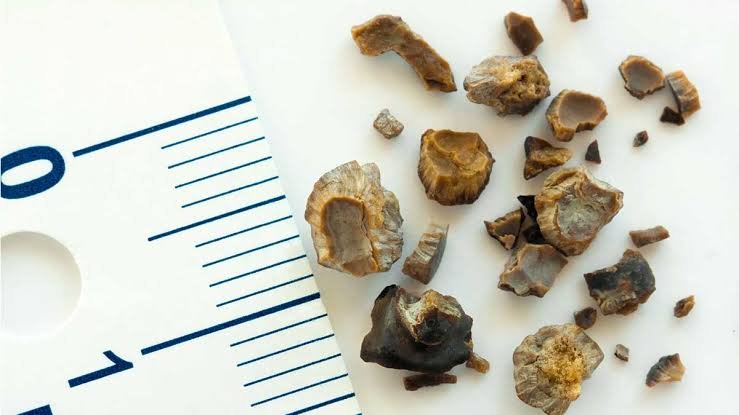
Calcium oxalate: The most common type of kidney stone which is created when calcium combines with oxalate in the urine. Inadequate calcium and fluid intake, as well other conditions, may contribute to their formation.
Uric acid: This is another common type of kidney stone. Foods such as organ meats and shellfish have high concentrations of a natural chemical compound known as purines. High purine intake leads to a higher production of monosodium urate, which, under the right conditions, may form stones in the kidneys. The formation of these types of stones tends to run in families.
Struvite: These stones are less common and are caused by infections in the upper urinary tract.
Cystine: These stones are rare and tend to run in families. What are Cystine Stones?
How can I prevent kidney stones?
There are several ways to decrease your risk of kidney stones, including:
Drink water. Drink at least six to eight 8-ounce glasses every day (about 64 ounces). Staying hydrated helps you urinate more often, which helps “flush away” the buildup of the substances that cause kidney stones. If you sweat a lot, be sure to drink even more.
Limit salt. Eat less sodium. You may want to connect with a dietician for help with planning what foods you eat.
Lose weight. If you’re overweight, try to lose some pounds. Talk to your healthcare provider about an ideal weight.
Take prescriptions. Your healthcare provider may prescribe some medications that help prevent kidney stones. The type of medication may depend on the type of stones you get.
What’s the outlook for kidney stones?
The outlook for kidney stones is very positive, although there is a risk of recurrence (the stones coming back). Many kidney stones pass on their own over time without needing treatment. Medications and surgical treatments to remove larger kidney stones are generally very successful and involve little recovery time.
It’s possible to get kidney stones multiple times throughout your life. If you keep developing kidney stones, your healthcare provider may work with you to discover why the stones happen. Once the cause is found, you may be able to make dietary changes to prevent future stones.
Can a large kidney stone cause an injury?
Your risk of injury from a kidney stone can go up based on the size and location of the stone. A larger stone could get stuck in a ureter, causing pressure to build up. This can lead to renal failure and, in the worst-case (but rare) scenario, you could lose your kidney. The chance of passing a 1 cm stone is less than 10%, and stones larger than 1 cm typically don’t pass.
How long does the pain last after you pass a kidney stone?
Pain from a stone can persist for a few days after completely passing. But, if the pain persists beyond a week, a repeated imaging test (usually an ultrasound) is done to see if any further blockage is present (sometimes due to a remaining stone fragment).
Do kidney stones cause kidney disease? If you’ve had kidney stones, you’re at a higher risk for more kidney stones and chronic kidney disease.
Are kidney stones deadly? No, Kidney stone are not deadly
Homeopathic remedies
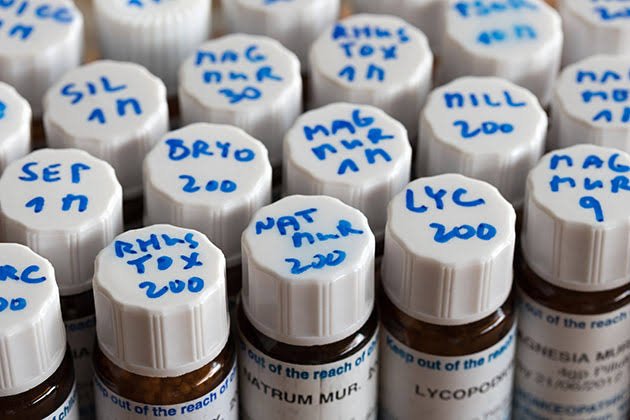
Homeopathy is strongly suggested for kidney stones which are not too large to pass through the ureteric and urethral passages. If any time you are suffering from a kidney stone, count on homeopathic medicine for kidney stone think of homeopathy.
 Dr.Sandhya Jaiswal
Leave a comment