
What is whooping cough?
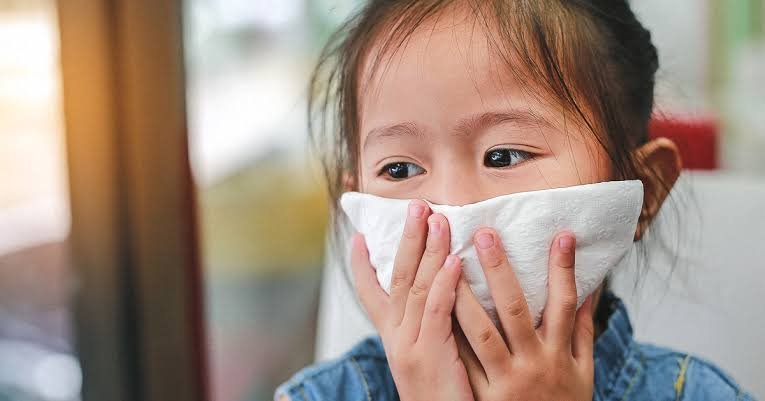
Whooping cough, or pertussis, is a respiratory infection that can cause coughing fits. In serious cases, the coughing can become violent and rapid. You may cough so hard that you vomit. The name of the disease comes from the whooping noise you might make when you try to breathe in after coughing.
Whooping cough is very contagious and can affect anyone. But it can be especially serious in babies who did not yet get the vaccine. About half of babies under age one who get whooping cough need care in the hospital.
Symptoms
Once you become infected with whooping cough, it takes about seven to 10 days for signs and symptoms to appear, though it can sometimes take longer. They’re usually mild at first and resemble those of a common cold:
Runny nose
Nasal congestion
Red, watery eyes
Fever
Cough
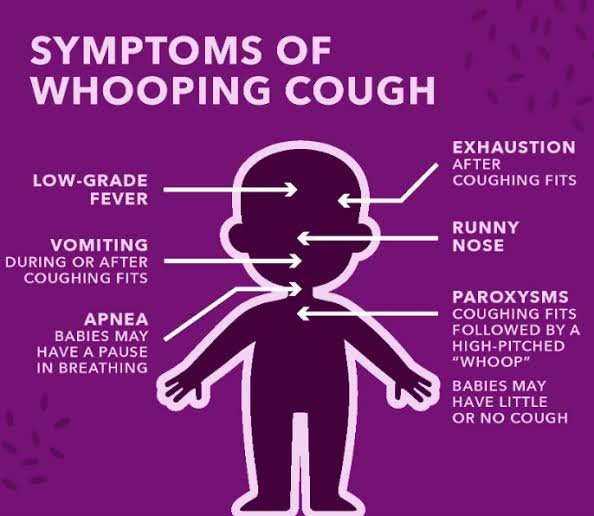
After a week or two, signs and symptoms worsen. Thick mucus accumulates inside your airways, causing uncontrollable coughing. Severe and prolonged coughing attacks may:
Provoke vomiting
Result in a red or blue face
Cause extreme fatigue
End with a high-pitched “whoop” sound during the next breath of air
However, many people don’t develop the characteristic whoop. Sometimes, a persistent hacking cough is the only sign that an adolescent or adult has whooping cough.
Infants may not cough at all. Instead, they may struggle to breathe, or they may even temporarily stop breathing.

At first, whooping cough has the same symptoms as the average cold:
•Mild coughing
•Sneezing
•Runny nose
•Low fever (below 102 F)
•You may also have diarrhea early on.
After about 7-10 days, the cough turns into “coughing spells” that end with a whooping sound as the person tries to breathe in air.
Because the cough is dry and doesn’t produce mucus, these spells can last up to 1 minute. Sometimes it can cause your face to briefly turn red or purple.
Most people with whooping cough have coughing spells, but not everyone does.
Infants may not make the whooping sound or even cough, but they might gasp for air or try to catch their breath during these spells. Some may vomit.
Sometimes adults with the condition just have a cough that won’t go away.
What causes whooping cough? type of bacteria called Bordetella pertussis causes whooping cough. If a person with whooping cough sneezes, laughs, or coughs, small droplets that contain this bacteria may fly through the air. You might get sick if you breathe in the droplets.
When the bacteria get into your airways, they attach to the tiny hairs in the linings of the lungs. The bacteria cause swelling and inflammation, which lead to a dry, long-lasting cough and other cold-like symptoms.
Whooping cough can cause anyone at any age to get sick. It may last 3 to 6 weeks. You can get sick from it even if you’ve already been vaccinated, but that’s not likely.

Possible complications
Infants with whooping cough require close monitoring to avoid potentially dangerous complications due to lack of oxygen. Serious complications include:
•brain damage
•pneumonia
•seizures
•bleeding in the brain
•apnea (slowed or stopped breathing)
•convulsions (uncontrollable, rapid shaking)
death
If your infant experiences symptoms of infection, call your doctor immediately.
Older children and adults can experience complications as well, including:
•difficulty sleeping
•urinary incontinence (loss of bladder control)
•pneumonia
•rib fracture

Long-term outlook
Symptoms of whooping cough can last up to four weeks or longer, even during treatment. Children and adults generally recover quickly with early medical intervention.
Infants are at the highest risk of whooping cough-related deaths, even after starting treatment.
Parents should monitor infants carefully. If symptoms persist or get worse, contact your doctor right away.
Homeopathy Before prescribing a remedy, homeopaths take into account a person’s constitutional type, includes your physical, emotional, and psychological makeup. An experienced homeopath assesses all of these factors when determining the most appropriate treatment for each individual.

Aconite . Take during the first 24 hours after symptoms appear, particularly if they develop following exposure to cold weather. This remedy is most appropriate for individuals with a hoarse, dry, cough who complain of dry mouth, thirst, restlessness, worsened symptoms from cold air or lying on the side, and being awakened from the cough.
Bryonia . For painful cough with a marked tendency to hold their chest or hold something to the chest when coughing.
Drosera . For dry, spasmodic cough with sharp chest pain and a tickling sensation in the throat that may cause the individual to gag, choke, or vomit. This remedy is most appropriate for individuals who tend to be hoarse, become worse when lying down, and perspire during the night.
Hepar sulphuricum . For later stages of pertussis with wheezing, little mucus production, and coughing that comes on when any part of the body gets cold.
Ipecacuanha . Spasmodic cough and gagging or vomiting. This remedy is commonly prescribed for infants.
Phosphorus . For several different types of cough, most particularly a dry, harsh cough described as a persistent tickle with sharp chest pain signified by the individual clutching their painful chest. This remedy is most appropriate for individuals who are often worn out and exhausted, have undue anxiety, even fear of death, and require a lot of reassurance.
Spongia . For harsh, barking cough that produces no mucus and is associated with a tickling in the throat or chest that worsens when lying down and improves when the individual eats or drinks warm liquids. This remedy is often used when Aconite is unsuccessful.
 Dr.Sandhya Jaiswal
Leave a comment